

Cabinet Of Curiosities
A history and deep-ish dive into unusual collections.

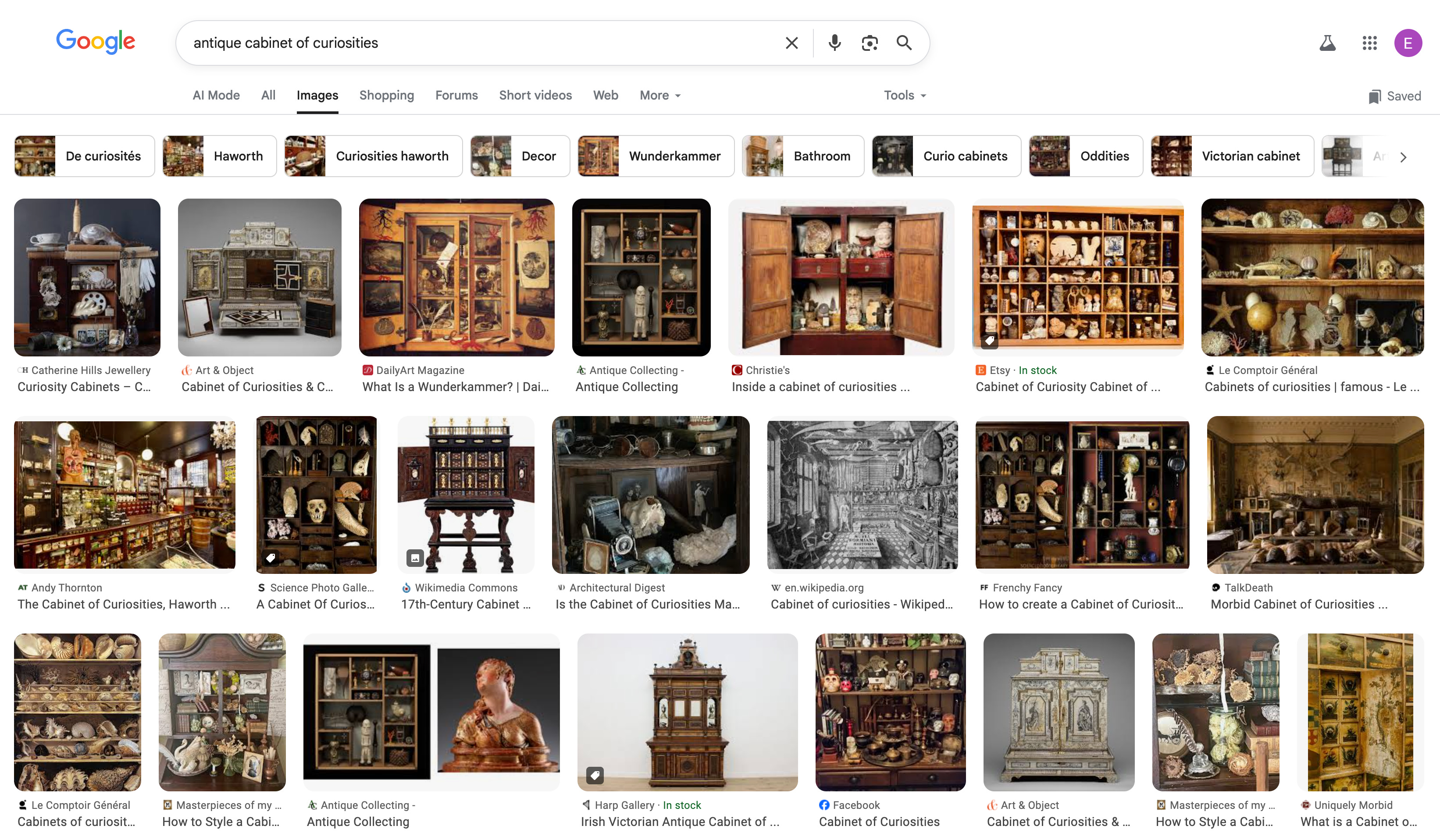
I’m not sure what it was that led me down the rabbit hole of curio — or more specifically, the origin and history of the curio cabinet. I scroll through so many unique antiques each day (via online auctions, FB Marketplace, IG, estate sales, Pinterest, etcetera), and I’ve often been enthralled by what leads people to collect specific items.
Cabinets of curiosities, also known as cabinets of wonder or Wunderkammer, emerged in Europe during the 16th century, particularly among royalty and wealthy aristocrats. Entire rooms were dedicated to displaying collections of things like exotic plants and animals (even ‘monsters’), sculptures or fine art, scientific instruments like clocks or astrolabes, rare antiques or unusual objects from faraway lands.
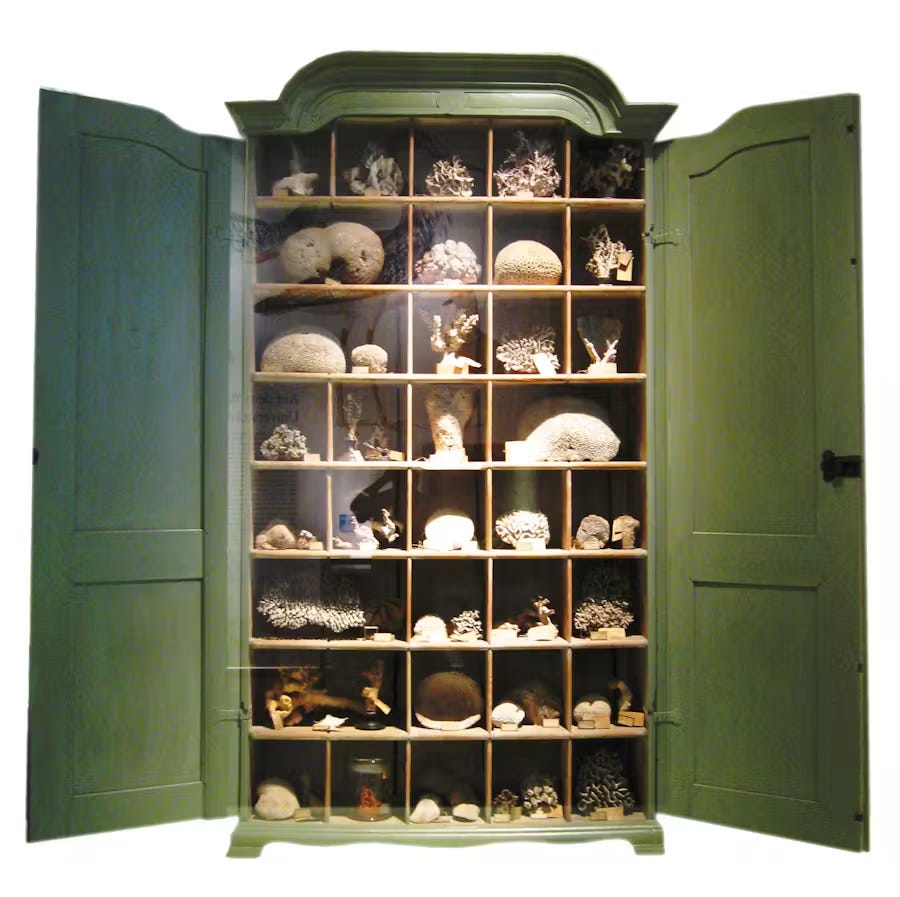
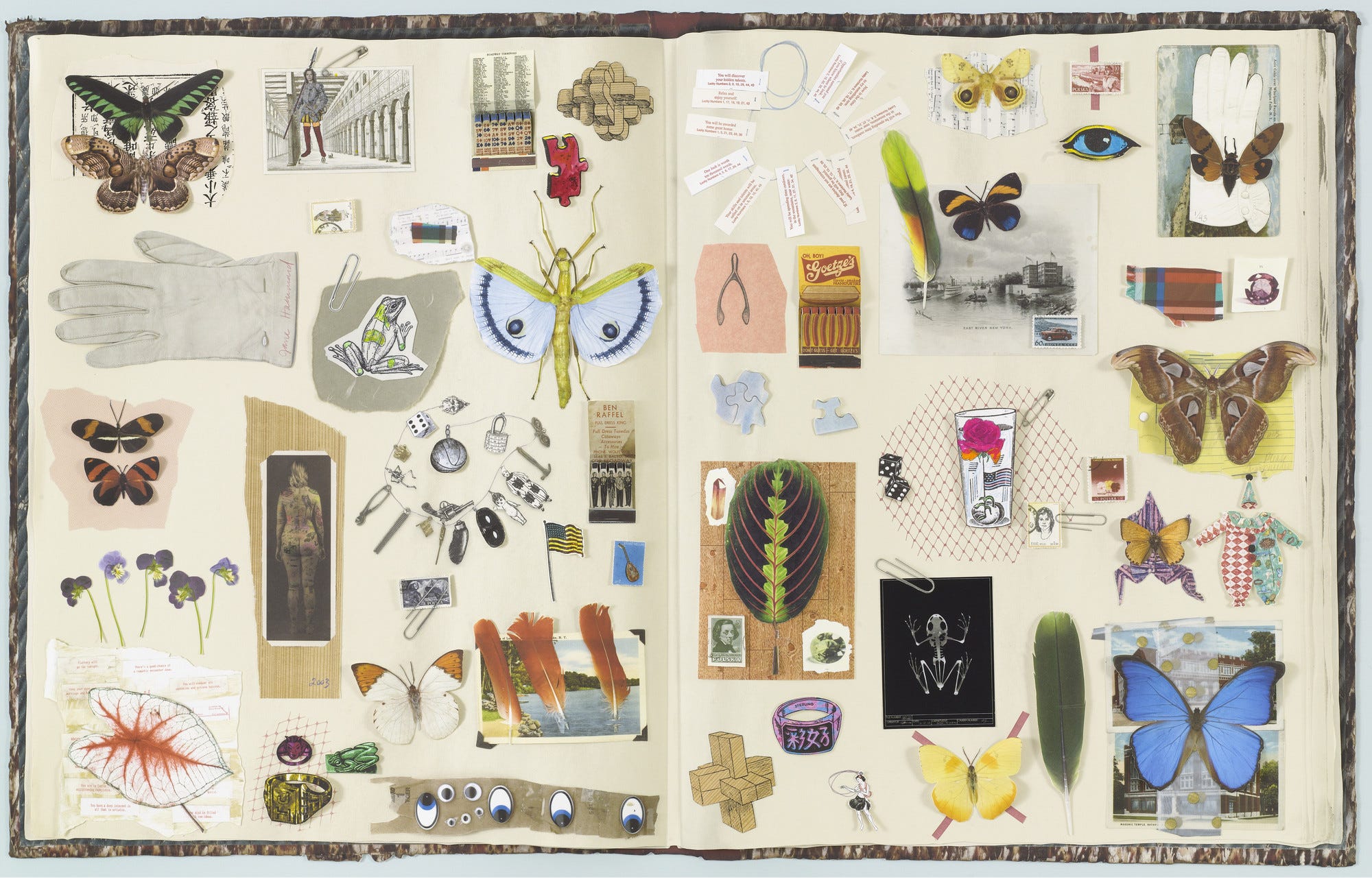
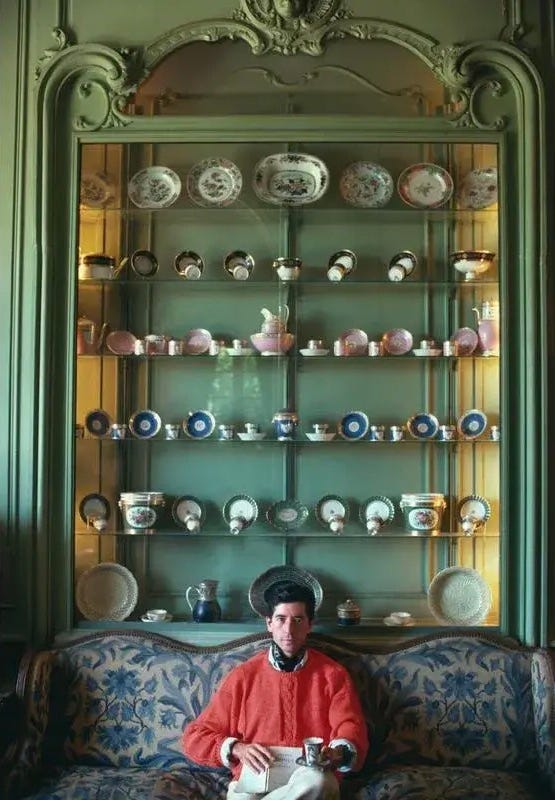
Over the years, these room-sized cabinets evolved into smaller furniture pieces and drawers. Guides were even created to teach collectors about proper preservation and display of said curiosities, precious heirlooms and artifacts. These were not just about practicality or aesthetics, but about learning, scientific exploration, and showcasing prized possessions acquired through (sometimes true but mostly fabricated stories of) conquests, trade or inheritance.
Curio cabinets were early ancestors to today’s modern museums, and reflected a fascination with the wondrous and unusual aspects of the world. “Unusual” is a word that I felt a lot during my exploration — a quick Google search and I found someone who displayed 1098 tubes of Pringles chips, another who saved fortune cookie messages for over 20 years, and even a group with nearly 30,000 nail clippings (ew).
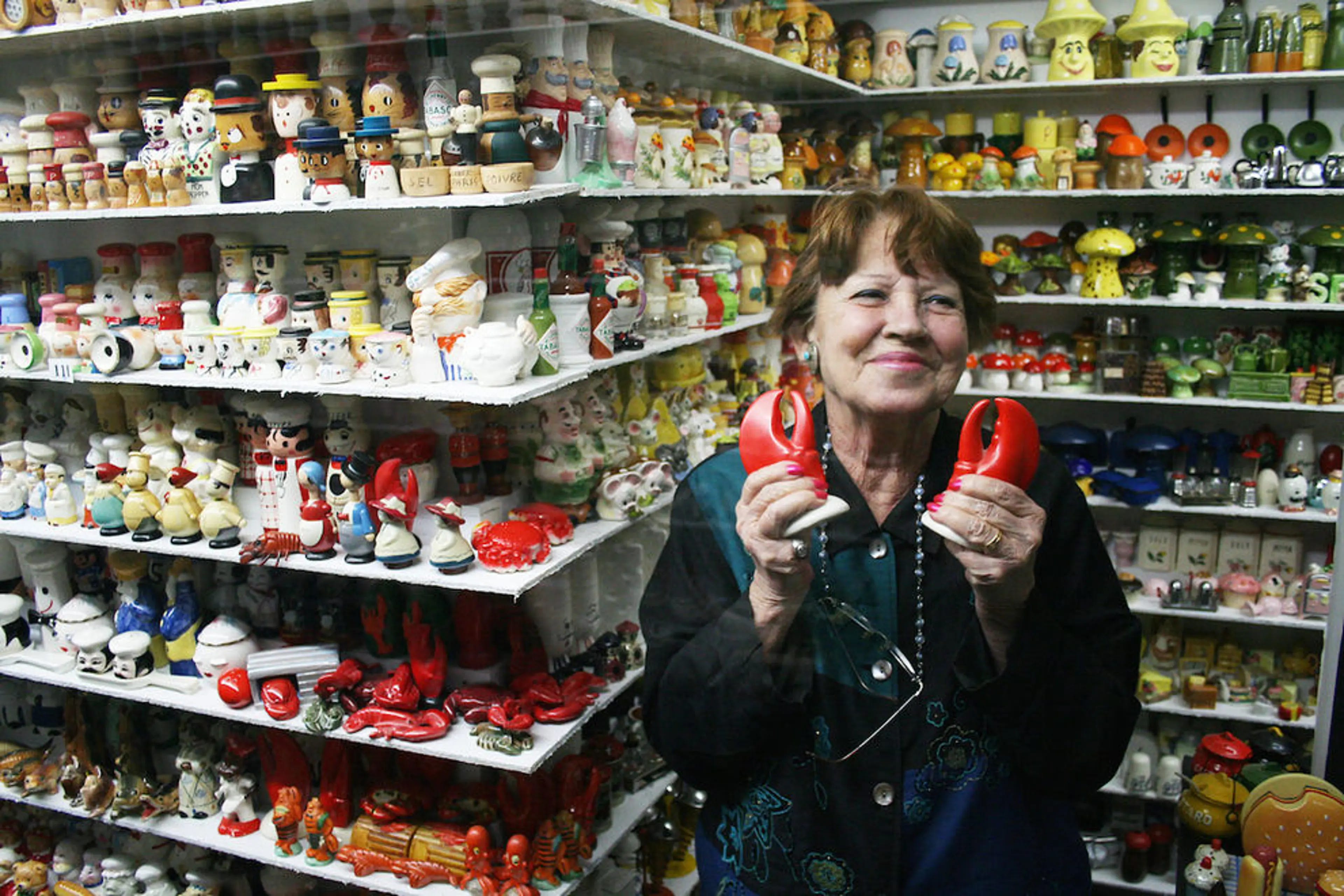
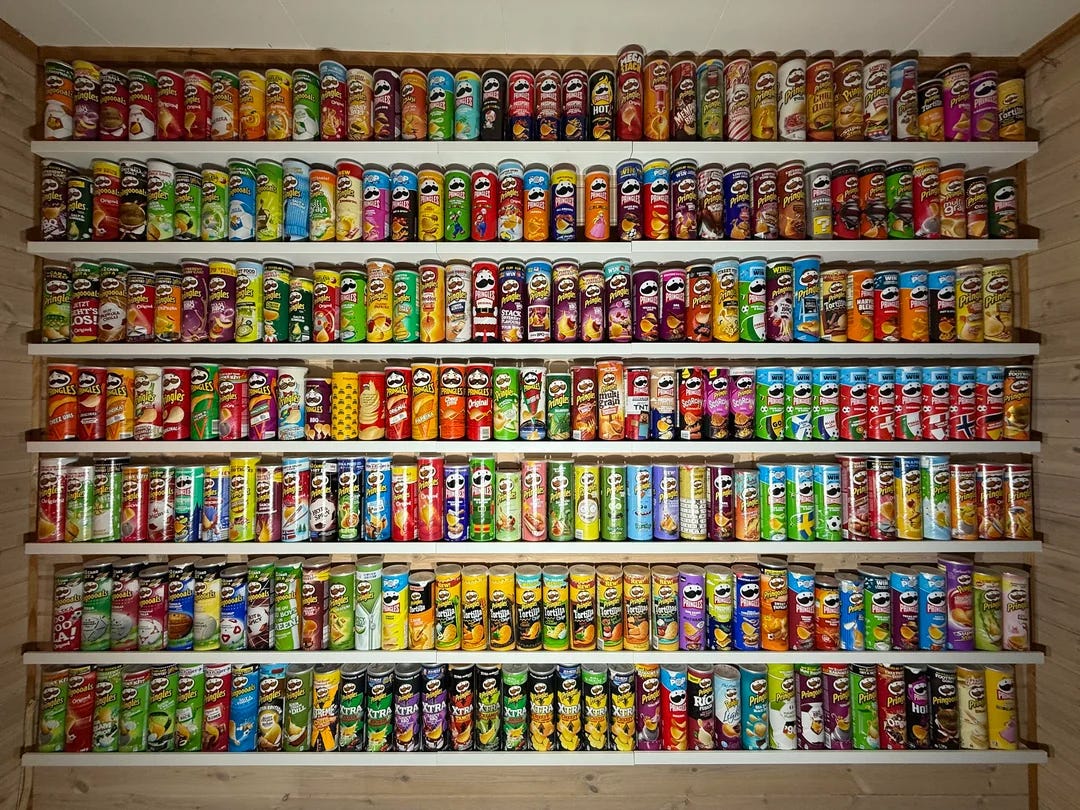
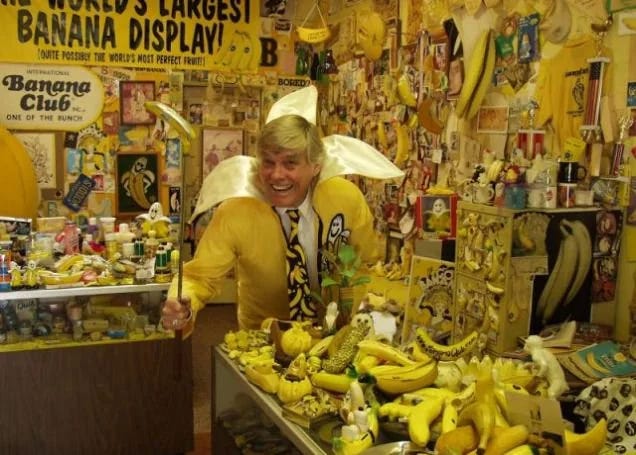
These collections reveal so much about a person, and remind me of my own (yet slightly more refined, lol) Duende series, which I plan to bring back to Substack very soon! I’ve always believed that our possessions go far beyond the physical — they preserve memories, shape identity, encourage ritual and embody experiences and loved ones. The things that we surround ourselves with are not simply functional, beautiful, unusual, or aspirational: they encompass a soul and presence all their own.
I’m in favor of bringing the curio cabinet back. My dad used to collect lighthouses and display golf balls when I was growing up, and I’ve always loved saving matchbooks from various restaurants, flea markets, weddings or travels in a bowl on my coffee table. Show me your weird little collections!
Love,
Elise
Made for me.